 Dentistry means different things to different people. For some, it is purely cosmetic dentistry, and for others, it is strictly preventative treatment. Still, others include restorative treatments in their definition of dentistry. The American Dental Association (ADA) defines it as the combination of all the basic dental procedures that collectively maintain and improve your smile and overall oral health in a way that protects your teeth and gums—allowing you to enjoy eating, speaking, smiling, and laughing without concern or embarrassment about your teeth or gums.
What are dental cleanings?
Dental cleanings, also known as prophylaxis, are necessary for keeping your teeth and gums healthy. They can be performed by a dentist or dental hygienist. During a cleaning, plaque and tartar on your teeth are removed, and teeth are polished with dental tools to remove stains and keep them white. How often you need to visit your dentist will depend on what type of products you use at home. Most patients should schedule at least two cleanings per year; some may need more depending on their diet, frequency of eating acidic foods (such as soda), toothbrushing habits, and other factors.
How often should you have dental cleanings?
How often you need dental cleanings depends on your personal needs and lifestyle. Because plaque is constantly building up, it is important to have dental cleanings even if you do not have visible signs of disease or cavities. However, someone who eats very sugary foods or drinks a lot of coffee or tea may need more frequent dental cleanings. In general, it is recommended that you visit your dentist every six months for a cleaning and exam. In addition, if you notice any redness or pain in your gums, it is a good idea to see your dentist as soon as possible. While brushing and flossing at home will reduce plaque buildup, professional dental cleanings are essential to protecting your oral health.
What happens during your first visit?
The first step in any dentistry visit is a dental examination. During your exam, your dentist will take a detailed look at your teeth and gums. This allows them to get an idea of how serious any problems might be and determine if any other potential problems need attention.
During your exam, you may be asked to sign consent forms for specific procedures or treatments. You must read any documents carefully and understand what they mean before signing. Your dentist should explain everything in plain language before you decide whether to proceed with treatment.
What will my teeth cleaning feel like?
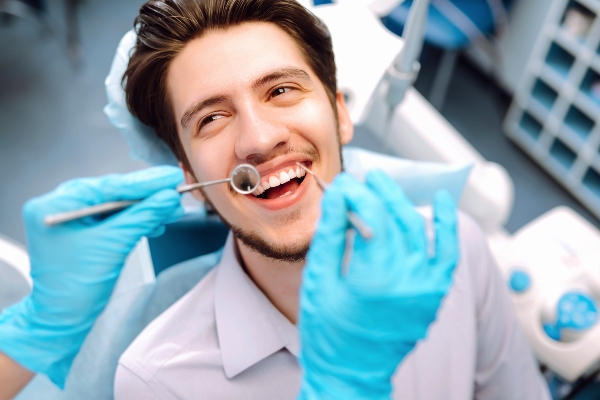
If you are getting a cleaning, you can expect your dentist or hygienist to start by checking your teeth and gums for any signs of disease. Once he has completed that task, your dental professional will probably polish your teeth with an abrasive paste. While that might sound uncomfortable, rest assured that it is not painful; it is like having your nails buffed at a nail salon. Afterward, they will likely remove any visible tartar (hardened plaque) with tools like scalers and files. Your hygienist will finish by flossing between your teeth and rinsing out anything left over with warm water.
Request an appointment or call Island Paradise Dental at 239-465-4999 for an appointment in our Marco Island office.
Related Posts
Oral sedation is one of many options available to a dentist. Oral sedation has opened a whole new world of possibilities for dentistry and dental procedures. However, many people have questions about how exactly oral sedation works because of how new it is.Sedation dentistry is a perfectly safe form of dentistry. Oral sedation is ideal…
Good oral hygiene is a must for everyone, and your dentist will certainly tell you that. Preventing a tooth infection can be as simple as using the right toothbrush, flossing regularly, and avoiding certain beverages like coffee or wine. Read on for more tips!Brushing your teeth is essential for preventing a tooth infection, but it's…
One of the most important roles of dentistry is to prevent and treat tooth decay. According to The American Dental Association, it affects 91% of Americans by the time they reach the age of 20. Fortunately, dentists are trained and equipped to remove tooth decay and restore a patient's good oral health.In order for decay…